
Leaving Your Home Empty? Give Its Insurance a Closer Look.
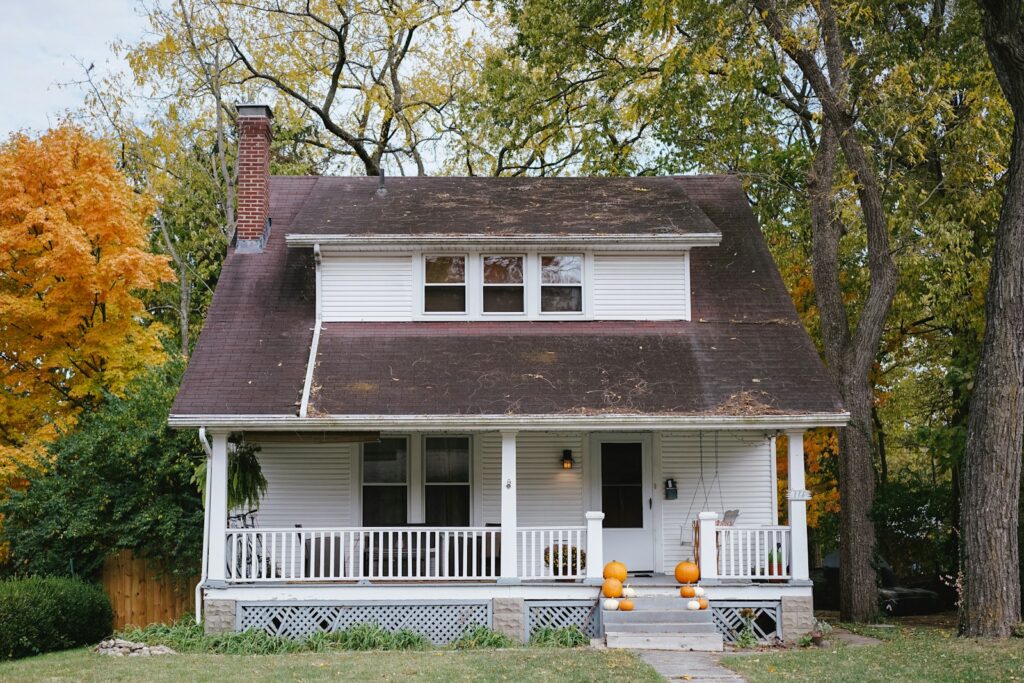
Illustrative photo. Photo by Phil Hearing on Unsplash.
The moving truck leaves, but the old house has not sold. Or a family home is waiting for an estate decision. Perhaps a renovation will keep everyone elsewhere longer than planned. The house is still yours, yet the way it is used has changed.
That is a reason to contact the insurer before the property sits empty. For a Minnesota home, the conversation should cover occupancy terms, the length of the absence, and a practical plan for winter care. Keeping the premium paid does not answer every coverage question.
Describe the situation instead of choosing a label
Insurers may distinguish an unoccupied home from a vacant one, sometimes considering whether furnishings remain and whether anyone resides there. The definitions and time periods vary. Foremost’s vacant-home explanation illustrates the distinction, but its overview should not be treated as the wording of your policy.
Tell your insurer when the last resident leaves, what furniture remains, whether utilities will stay on, why the home is empty, and the expected next use. Mention any renovation, sale listing, tenant search, or estate administration. Ask the insurer to identify the provisions that apply to those facts.
Do not rely on a universal “30-day” or “60-day” rule found online. Ask when a restriction begins under your form, which losses it affects, and whether the insurer requires notice before departure. Occasional visits or a mattress left behind should not be treated as a way to bypass a residency requirement.
Compare the actual coverage if a change is needed
The solution may involve an endorsement or a separate policy designed for the property’s use. Compare more than the policy name. Foremost’s vacant-home product information, for example, shows that liability, belongings, other structures, and settlement choices can require particular selections. Products and availability vary.
Ask what losses are insured, whether vandalism and theft are included, and how water damage is addressed. Review the dwelling limit, roof settlement terms, deductible, and whether payment is based on replacement cost or depreciated value. If belongings remain in the house, confirm they are addressed rather than assuming a dwelling policy includes them.
Also ask about coverage for people entering the property, such as prospective buyers, contractors, or maintenance workers. Describe the activity accurately. A house being shown for sale is a different situation from one being used for short-term rentals.
Before replacing existing insurance, confirm the new policy’s effective date and any requirements from the mortgage company. Ask about cancellation terms and minimum earned premiums. Avoid creating a gap while trying to solve an occupancy problem.
Make a winter-care plan with a real person responsible
A vacant home still needs maintenance and observation. State Farm recommends securing entry points, maintaining the exterior, and arranging local help to watch for problems. Its vacant-house protection checklist provides practical ideas.
For Minnesota winter conditions, discuss heating, plumbing, and winterization with qualified professionals and the insurer. Ask exactly what the policy requires, how inspections should be documented, and who will respond if heat fails. Turning down a thermostat and hoping for a quick sale is not a complete plan.
Some water-damage coverage depends on reasonable care to maintain heat or otherwise satisfy policy conditions. State Farm’s property-claims overview highlights this issue for frozen pipes. Your own policy may state different or additional requirements.
Choose someone who has agreed to inspect the home, knows how to reach you, and can arrange help. Decide what an inspection includes and where observations will be recorded. A temperature alert can be useful, but it is only helpful if someone receives it and can act.
When the timeline changes, update the insurer. A closing delay, extended remodel, or new tenant can alter the original plan. Before someone moves back in, ask whether coverage needs to change again.
Your empty-home checklist
- Notify the insurer before occupancy changes and provide the expected dates.
- Get the applicable definitions, restrictions, and care requirements in writing.
- Compare property, liability, water, theft, and vandalism protection.
- Confirm settlement terms, deductibles, effective dates, and cancellation conditions.
- Arrange professional winter preparation and a documented inspection plan.
- Assign responsibility for alerts, repairs, snow removal, and access.
- Report changes in timing, work, ownership, or future use promptly.
If you would like help preparing that review, contact David Olson at Intrinsic Insurance before the home becomes empty. Bring the timeline and intended use so the conversation can focus on the actual transition.
Vacancy and unoccupancy definitions, restrictions, and required precautions are policy-specific. This article does not establish a grace period or guarantee eligibility for any product.
Sources
- Foremost: Insuring vacant homes — accessed 2026-10-25
- Foremost: Vacant-home coverage overview — accessed 2026-10-25
- State Farm: Protecting a vacant house — accessed 2026-10-25
- State Farm: Home and property claims — accessed 2026-10-25




 One of the things that sets Intrinsic Insurance apart is our commitment to our customers. We believe that insurance should be easy to understand and easy to use, and we strive to make the process as smooth and stress-free as possible. Our agents take the time to get to know our customers and their unique needs, so we can provide personalized coverage that meets their specific requirements. Over time, we’ve earned a reputation for exceptional customer service and expertise in the insurance industry, real estate, and construction. We’re proud to have a team of experienced agents who are dedicated to providing our customers with the highest level of service and support. Our agents are knowledgeable, friendly, and always available to answer questions or help our customers file a claim.