Some Things Mean More. Review How Your Valuables Are Insured.
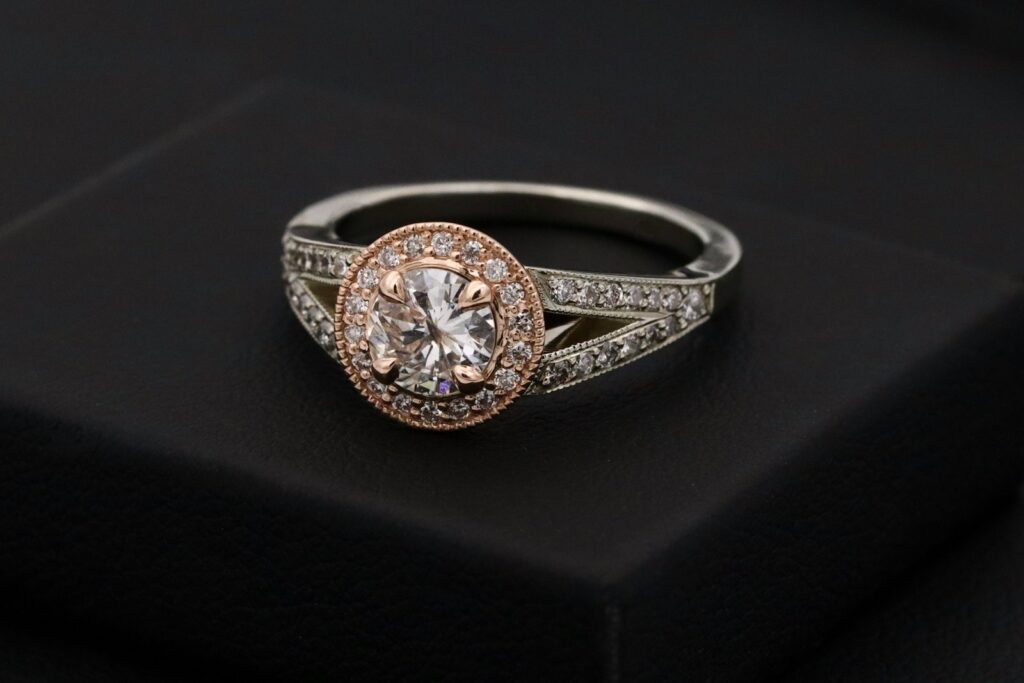
A piece of jewelry, an original painting, or an inherited collection can mean more than its price. Insurance cannot replace that personal meaning, but it may help address the financial loss when the right coverage applies. The first step is understanding how your current policy treats the item.
Minnesota homeowners and renters should not assume that a large overall personal property limit means every valuable has equally broad protection. Special category limits, covered causes of loss, deductibles, and valuation terms can all affect the result.
Find the limits before assuming an item is covered
Start by identifying the belongings that would be expensive or difficult to replace. Include items acquired over time, not just recent purchases. A collection assembled gradually can deserve a closer review even if no single purchase prompted an insurance question.
Ask how your policy treats theft, accidental damage, and an item that disappears without a known explanation. Those situations may receive different treatment. Find out whether a limit applies per item, per category, or per loss, and which deductible would apply.
The NAIC’s guidance on expensive jewelry and gifts explains why ordinary home or renters coverage may not be enough and why an endorsement or separate policy may be worth discussing. It also emphasizes documentation and appraisals where required.
Describe how you use each item. A ring worn daily, artwork displayed at home, and equipment taken to paid jobs raise different questions. Tell the insurer about travel, storage, lending, exhibitions, or business use instead of assuming the same terms follow the item everywhere.
Understand what scheduling changes
Scheduling generally means identifying particular property for specific coverage, often through an endorsement or a separate valuable-articles policy. Depending on the form, it may change the applicable limit, deductible, covered losses, or settlement method. The details matter more than the label.
Ask for a comparison between leaving the item under the standard policy and adding the proposed coverage. Which loss situations become covered? Which exclusions remain? Is there a deductible? Does coverage apply away from home or while another person has the item?
The NAIC’s explanation of homeowners and renters policies identifies valuables as an area where additional protection may be needed. That does not mean every item should be scheduled. The useful decision depends on its value, the available terms, and the financial risk you are comfortable retaining.
Also ask how a claim would be settled. Does the insurer repair or replace the item, pay an agreed amount, or use another valuation method? A listed amount or appraisal does not automatically answer that question. Ask what happens if an item rises in value, loses value, or can no longer be replaced with an exact match.
Keep useful records without creating unnecessary exposure
Gather clear photographs, purchase receipts, identifying details, and any existing appraisals. For art, that may include the artist, dimensions, medium, and available ownership records. For jewelry, include the description and documentation the insurer requests rather than trying to create your own technical valuation.
Ask whether a professional appraisal is required, what qualifications the insurer accepts, and how current it must be. Confirm whether appraisals need to be refreshed periodically. A value prepared for one purpose may not be the value the insurer requires for coverage.
Minnesota Commerce recommends retaining inventory records, photographs, receipts, and appraisals in an accessible, protected location. A secure backup can be useful if the original records are damaged or inaccessible.
Be thoughtful about who receives those records. Detailed photos can reveal valuable possessions and identifying information. Use the insurer’s or agency’s verified submission process rather than posting an inventory publicly or sending it to an unsolicited contact.
Revisit the coverage when ownership changes. A gift, inheritance, sale, or item transferred to another household may require an update. Ask when the recipient’s protection should begin, and obtain confirmation rather than assuming the giver’s coverage continues.
Bring these questions to a valuables review
- What special limits apply under my current policy?
- Are theft, accidental damage, and unexplained disappearance treated differently?
- What would scheduled or separate coverage change?
- How would a covered loss be valued and settled?
- What records or appraisals are required, and how often should they be updated?
- What happens during travel, storage, a loan, or an ownership change?
A clear review helps you decide which items need attention now and which can remain under your existing arrangement. Keep a record of that decision along with any new schedule or endorsement.
If you would like to start with a few important pieces, consider asking David Olson at Intrinsic Insurance to help you compare your current terms with the questions on this checklist.
This is general education. Special limits, covered losses, appraisals, and settlement terms vary. Sentimental value is not the same as an insured financial value.
Sources
- NAIC: Learn How to Insure Expensive Jewelry and Gifts — accessed 2026-10-25
- NAIC: Understanding Your Homeowners or Renters Policy — accessed 2026-10-25
- Minnesota Commerce: Home Inventory Tools and Tips — accessed 2026-10-25




 One of the things that sets Intrinsic Insurance apart is our commitment to our customers. We believe that insurance should be easy to understand and easy to use, and we strive to make the process as smooth and stress-free as possible. Our agents take the time to get to know our customers and their unique needs, so we can provide personalized coverage that meets their specific requirements. Over time, we’ve earned a reputation for exceptional customer service and expertise in the insurance industry, real estate, and construction. We’re proud to have a team of experienced agents who are dedicated to providing our customers with the highest level of service and support. Our agents are knowledgeable, friendly, and always available to answer questions or help our customers file a claim.