Big Plans for Your Home? Make Room for Insurance.
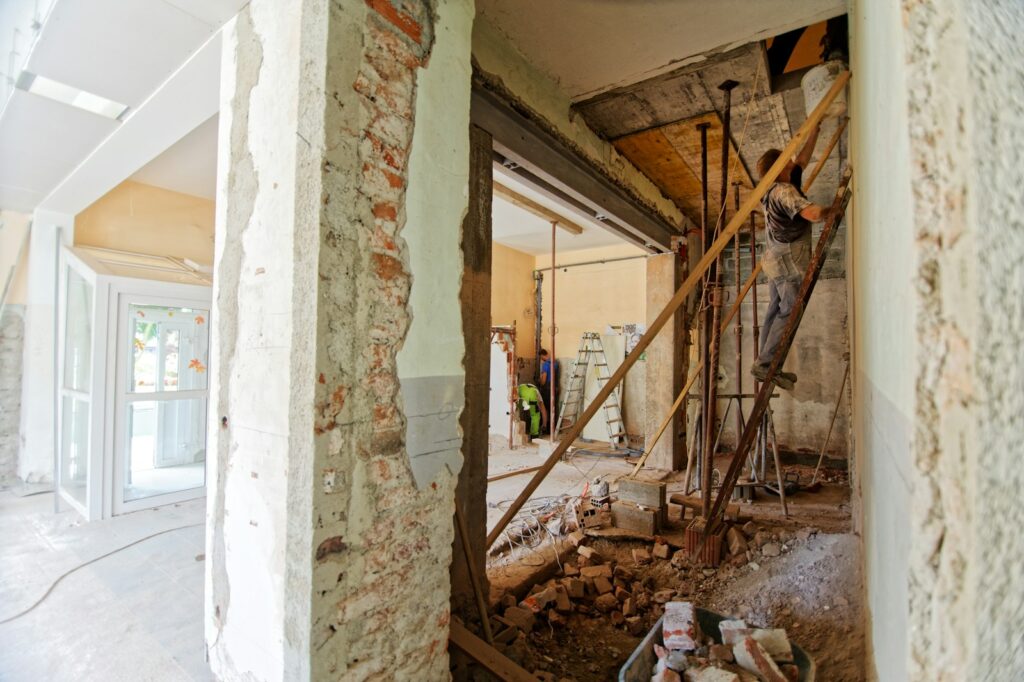
Illustrative photo. Photo by Milivoj Kuhar on Unsplash.
The exciting part of a remodel is easy to picture: a brighter kitchen, a useful basement, or enough space for everyone to gather. The weeks between the first demolition and the finished room are harder to imagine.
That in-between stage is a good reason to review insurance before work begins. A renovation can change the building, the activity on the property, and sometimes whether anyone lives there. A short conversation early in the project is easier than trying to explain those changes after damage occurs.
Describe the project before asking whether it is covered
“We are remodeling” can mean painting a bedroom or removing half the roof. Give the insurer enough detail to distinguish them: the scope, estimated cost, start and completion dates, who will do the work, and whether the home will remain occupied.
Travelers advises homeowners to review coverage before renovations, including dwelling limits and the insurance carried by contractors and subcontractors. It also notes that adding space or upgrading finishes may change the cost to rebuild. See Travelers’ remodeling insurance guide.
Ask what the existing policy covers while work is underway and whether an endorsement or different construction-related policy is needed. Useful questions include materials stored on site, temporary openings in the building, theft, accidental damage, and protection for the existing structure. Do not assume a builder’s policy, if one exists, covers your interests or all parts of the property.
Request the answer before signing a construction schedule that depends on insurance being in place. If plans change, send an update rather than assuming the original description still applies.
Keep contractor insurance and your coverage separate
A contractor’s insurance and your homeowners policy serve different roles. Ask the contractor for current evidence of appropriate liability and workers’ compensation coverage, and ask how subcontractors are handled. A certificate is useful information, but it should not be treated as a guarantee that every possible loss is insured.
For Minnesota projects, verify the contractor’s licensing status and read the agreement carefully. The Minnesota Attorney General’s home-building and remodeling handbook offers consumer guidance on selecting contractors and reviewing arrangements.
Keep your own project file: the signed scope, change orders, permits, proof of insurance supplied by the contractor, payment records, and photographs before and during work. When a question comes up, this file helps everyone discuss the same project rather than different recollections.
If friends or relatives are helping, say so. Ask your insurer about liability concerns without assuming informal help creates fewer risks. Likewise, disclose any work you plan to do yourself and any later business or rental use of the renovated space.
Review moving out and moving back in
A major renovation may require a temporary move. Tell the insurer how long the house will be without residents, whether utilities and heat will stay on, and who will check the property. Vacancy and unoccupancy provisions vary, so a furnished room or occasional visit should not be treated as proof the policy’s requirements are satisfied.
Foremost describes specialized coverage for vacant or unoccupied properties, including renovation situations, while emphasizing that conditions vary. Its vacant-home guidance illustrates why this deserves a separate conversation, not a universal deadline.
When the project is complete, update the home description and rebuilding estimate. Include new square footage, finished basement areas, built-in fixtures, and upgraded materials. Ask whether newly purchased furniture or equipment changes your personal-property needs.
Do not assume an automatic inflation adjustment has captured a custom addition. State Farm’s coverage-review guidance identifies major home changes as a reason to revisit insurance. Your own insurer’s notice requirements may differ, so ask about them before construction rather than borrowing a deadline from another company.
Your before-and-after remodeling checklist
- Send the insurer a written scope, budget, schedule, and occupancy plan.
- Ask about the existing structure, materials, construction-related losses, and liability.
- Confirm whether additional coverage is needed and when it becomes effective.
- Verify contractor credentials and request current insurance information.
- Save contracts, change orders, permits, receipts, and progress photographs.
- Report major delays, an expanded scope, or a longer temporary move.
- After completion, update the rebuilding estimate, belongings, and intended use.
Insurance should be a planned line item in the project conversation, not a surprise at the end. If you would like help organizing that review, contact David Olson at Intrinsic Insurance with your scope and timeline. You can start with the practical question of what changes while the work is happening.
Coverage depends on the policy, construction scope, occupancy, and endorsements. Contractor coverage does not replace your own insurance review; availability of specialized coverage is not guaranteed.
Sources
- Travelers: Homeowners insurance and remodeling — accessed 2026-10-25
- Minnesota Attorney General: Home building and remodeling — accessed 2026-10-25
- Foremost: Insuring vacant homes — accessed 2026-10-25
- State Farm: When to review home insurance — accessed 2026-10-25




 One of the things that sets Intrinsic Insurance apart is our commitment to our customers. We believe that insurance should be easy to understand and easy to use, and we strive to make the process as smooth and stress-free as possible. Our agents take the time to get to know our customers and their unique needs, so we can provide personalized coverage that meets their specific requirements. Over time, we’ve earned a reputation for exceptional customer service and expertise in the insurance industry, real estate, and construction. We’re proud to have a team of experienced agents who are dedicated to providing our customers with the highest level of service and support. Our agents are knowledgeable, friendly, and always available to answer questions or help our customers file a claim.