
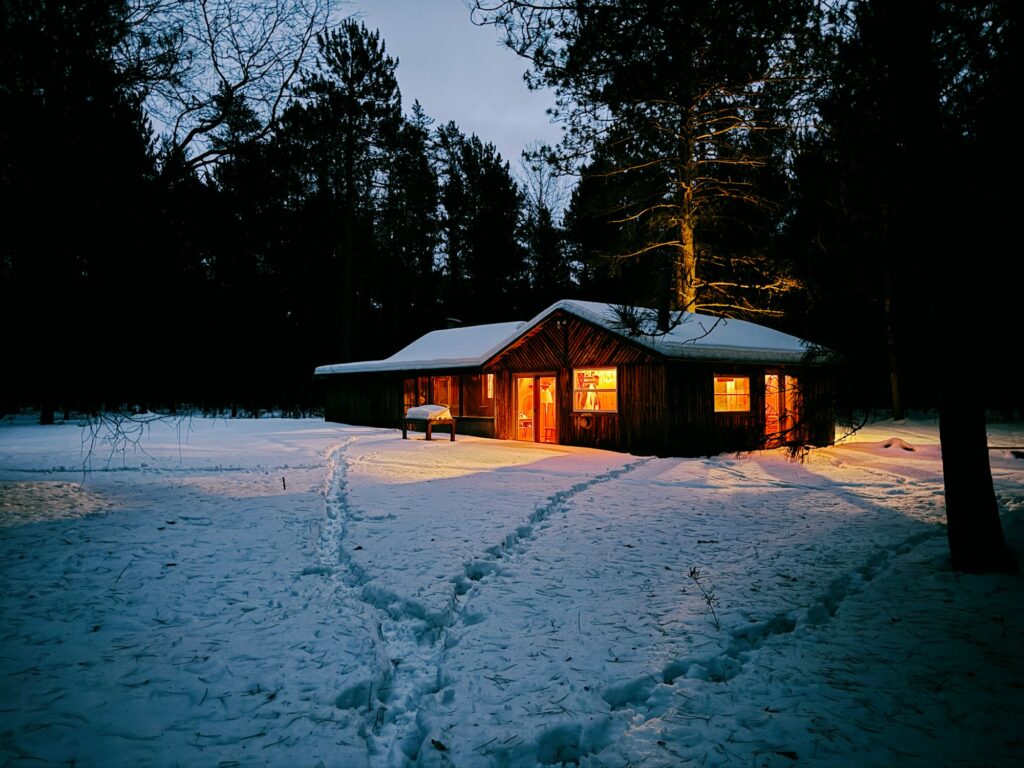
Representative stock image. Photo by Sean C Davis on Unsplash.
The last trip to the cabin often ends with a familiar question in the car: Did someone take care of the water? A shared family checklist can prevent that uncertainty. It can also reveal a more important problem: everyone thought someone else had arranged the winter check-ins.
For a Minnesota seasonal cabin, closing should be a coordinated handoff. The plumber, heating contractor, family members and person checking the property need to understand the same plan. Your insurance agent belongs in that conversation before the building is closed.
Decide how the cabin will spend winter
Start with the intended use. Will the cabin remain closed until spring, or will someone return for winter weekends? Is it designed to stay heated? Are there water-dependent systems that must remain operating? Ask qualified contractors to recommend a winter arrangement that fits the actual building and equipment.
Then ask your agent to explain the policy's freezing provisions and any precautions or inspection conditions that apply. A failed pipe and a pipe frozen after heat loss can raise different coverage questions. Travelers' burst-pipe guidance notes that shutting off heat and allowing pipes to freeze can affect coverage. Your own policy's wording and the circumstances of a loss control the result.
Put the agreed plan in writing. A thermostat setting alone should not stand in for a discussion of the cabin's plumbing layout, heating equipment and winter access. Likewise, hiring someone to winterize the property should include a clear description of what that person will and will not address.
Account for water beyond the kitchen faucet
Walk through the cabin with the service professional and make a system list. Depending on the property, it might include a well pressure tank, water heater, softener, dishwasher, washing machine, refrigerator water line and fixtures in a detached bunkhouse. Add the outdoor shower, fish-cleaning sink and seasonal lake-water supply if present.
Ask who is responsible for each item and what the manufacturer requires. Foremost's seasonal-home winterization guidance specifically calls attention to water-holding appliances as well as the plumbing system. A completed task list should identify the equipment addressed, not simply say “water off.” Use qualified help rather than improvising draining, compressed-air or antifreeze procedures.
Coordinate any water shutoff with the heating and fire-protection systems. Travelers advises consulting a heating professional before shutting water to an older steam system and warns not to shut off a fire sprinkler system's water supply. Its winter-away checklist also recommends heating service and regular checks of heat and fuel. Confirm the right arrangement for your particular cabin; do not follow a generic shutoff instruction without those checks.
If someone reopens the cabin for a winter visit, assign the closing tasks again before departure. Keep a separate checklist for that visit so a temporary reconnection does not quietly replace the original plan.
Give winter check ins a clear purpose
“Keep an eye on it” leaves too much open. Agree on a schedule suited to the property, professional recommendations and any policy requirements. Decide how the plan changes after a power outage, heating alert or severe cold, and who can safely reach the cabin when the road is difficult.
A written handoff should answer:
- Who receives low-temperature, water-leak and power alerts?
- Who is the backup if that person cannot respond?
- Who has a working key or access code?
- Where are the approved shutoff instructions and contractor contacts?
- What observations should be recorded during each visit?
- Who can authorize emergency service, and how will family members be notified?
Test alerts before leaving, including what happens when the internet or power fails. Treat remote monitoring as one part of the plan, not proof that someone can respond. Ask the local contact to report actual conditions and anything unusual rather than simply confirming the driveway looks fine.
Leave a record for the next person
Keep dated service invoices, the completed equipment checklist, photos of relevant settings and a simple check-in log in a shared folder. Tell family members where it is. Those records help the next visitor understand the cabin's condition; they do not guarantee insurance coverage.
If damage is discovered, put safety first, report it promptly and follow the insurer's instructions. Minnesota Commerce recommends documenting damage before cleanup and making safe temporary repairs to prevent further loss in its residential-claim guidance. Do not enter an unsafe building or handle electrical equipment around water.
Before your final closing trip, call David Olson at Intrinsic Insurance, 952-314-9446, to review the coverage questions alongside your contractor's winterization plan. The goal is a closing routine everyone understands, with fewer assumptions left behind at the lake.


 One of the things that sets Intrinsic Insurance apart is our commitment to our customers. We believe that insurance should be easy to understand and easy to use, and we strive to make the process as smooth and stress-free as possible. Our agents take the time to get to know our customers and their unique needs, so we can provide personalized coverage that meets their specific requirements. Over time, we’ve earned a reputation for exceptional customer service and expertise in the insurance industry, real estate, and construction. We’re proud to have a team of experienced agents who are dedicated to providing our customers with the highest level of service and support. Our agents are knowledgeable, friendly, and always available to answer questions or help our customers file a claim.