
A New Chapter as a Landlord Starts With an Insurance Review.
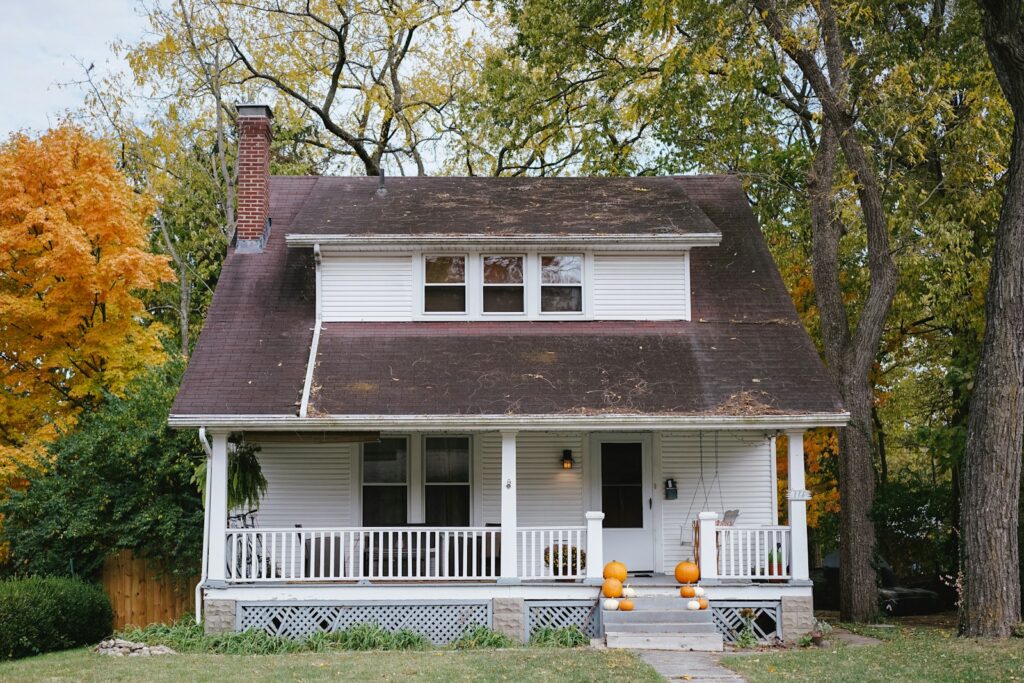
Illustrative photo. Photo by Phil Hearing on Unsplash.
Perhaps you are keeping your former home instead of selling it. Maybe you are buying a duplex or taking over a family property. Once someone else will live there as a tenant, the insurance conversation needs to reflect that arrangement.
For a Minnesota property owner, landlord or rental dwelling insurance can address risks that differ from living in the home yourself. The useful question is not simply whether the building is insured. It is whether the insurer understands the property’s use and whether the selected coverage matches your responsibilities.
Tell the insurer how the property will be occupied
Describe the number of units, lease arrangements, ownership entity, and whether you live in any part of the building. Explain whether it will be furnished, managed by someone else, under renovation, or temporarily without tenants. A change from owner occupancy to rental use deserves a conversation before the tenant moves in.
Rental-property coverage can address the building and, depending on selections, other structures and landlord-owned property. Liability coverage also needs to be confirmed rather than assumed from the word dwelling. The Travelers landlord insurance overview illustrates how property, liability, and other features can be structured.
Ask whether the legal owner and any other relevant interests are correctly identified. If you change ownership or management arrangements, review the insurance at the same time instead of relying on an unchanged policy issued under an earlier setup.
Review rebuilding and your own property
Ask how the building limit was estimated and how claims would be settled. A purchase price or loan balance does not by itself answer what an insured repair or rebuild would cost. Discuss construction details, updates, detached structures, and improvements you have made.
List the items you supply, including appliances, furnishings, and maintenance equipment kept at the property. Ask which are insured, where coverage applies, and whether any smaller limits affect them. If you furnish the rental, update the inventory when you replace or add items.
Separate maintenance from sudden insured damage. Allstate’s landlord insurance explanation identifies ordinary maintenance and breakdowns as common limitations, along with exposures such as flood and water backup that need separate review. Do not assume that all water-related problems are treated alike.
Understand liability and lost-rent questions
A visitor’s injury raises a different issue from damage to the building. Confirm the premises liability coverage, the insured parties, limits, exclusions, and how defense costs are handled. Ask how a personal or commercial umbrella would connect with the rental property, if that is part of your plan.
Loss-of-rent or fair-rental-value coverage may help when a covered property loss makes the rental uninhabitable, subject to policy terms and duration. It should not be confused with a guarantee against every missed payment or vacancy. Travelers’ rental-property guide explains the covered-damage connection.
Bring the current rent amount and lease terms to the review. Ask how continuing expenses, saved expenses, repair time, and policy limits affect a claim. If you rely on rent to meet other obligations, also consider what reserves you would need for situations the policy does not cover.
Keep your coverage separate from the tenant’s
The tenant’s belongings are generally not covered by the landlord’s building policy. Minnesota Commerce explains this distinction in its renters insurance guidance. Tenants should review their own possessions, liability, and additional living expense needs with their insurance provider.
Ask your attorney about appropriate lease provisions rather than assuming an insurance article establishes what you can require. A tenant policy does not remove your need to maintain the property or review your own protection.
Create a simple communication process for maintenance concerns and emergencies. Keep inspection, repair, and service records organized. Review freeze-prevention arrangements and who responds when heat fails or a water problem is reported. These operational steps support the property plan but do not expand insurance coverage.
Your rental-property checklist
- Disclose occupancy, lease length, units, ownership, and management accurately.
- Review building values, other structures, and landlord-owned furnishings.
- Confirm liability coverage and any umbrella requirements.
- Understand the trigger, limit, and duration for lost-rent protection.
- Ask before renovations, extended vacancies, or a change to short-term rentals.
Landlord policies vary. Coverage, exclusions, settlement terms, and occupancy conditions are controlled by the actual policy and applicable law. This article is general education, not legal or coverage advice for a specific property.
If you would like to review the questions together, contact David Olson at Intrinsic Insurance. Bring the property’s current use, lease information, and existing coverage, and begin with the areas you want clarified.




 One of the things that sets Intrinsic Insurance apart is our commitment to our customers. We believe that insurance should be easy to understand and easy to use, and we strive to make the process as smooth and stress-free as possible. Our agents take the time to get to know our customers and their unique needs, so we can provide personalized coverage that meets their specific requirements. Over time, we’ve earned a reputation for exceptional customer service and expertise in the insurance industry, real estate, and construction. We’re proud to have a team of experienced agents who are dedicated to providing our customers with the highest level of service and support. Our agents are knowledgeable, friendly, and always available to answer questions or help our customers file a claim.