
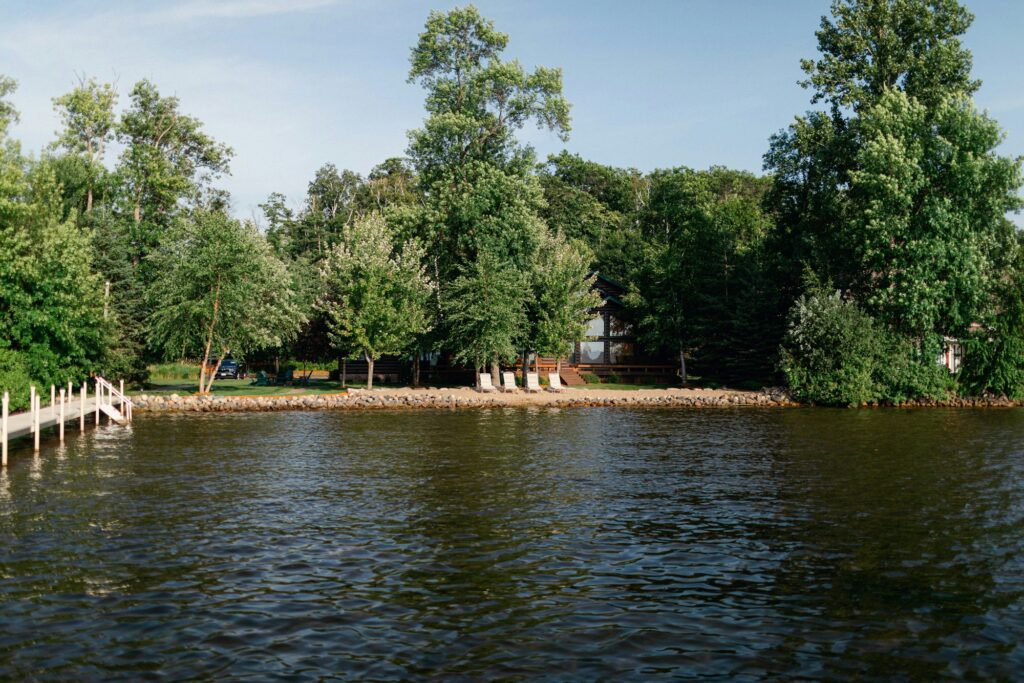
Representative stock image. Photo by Jennifer Kalenberg on Unsplash.
The phrase kayaks included takes only a moment to add to a cabin listing. It takes more thought to decide which kayaks guests can use, where they can take them, who checks their condition and how the insurance applies once they leave the shore.
That is a useful starting point for Minnesota owners who rent their lakeside cabin occasionally. Before opening a few weekends to paying guests, review the entire waterfront experience you are offering, not just the bedrooms and rental dates.
Describe what comes with the stay
Create an amenity list that matches the listing, guest guide and actual property. Include the dock, swimming raft, beach access, stairs, canoe, paddleboards, life jackets and any shared waterfront facilities. Note who owns each item and whether guests may use it without you present.
Separate access from equipment use. Permission to fish from a dock is different from permission to operate a lift or take out the pontoon. If the family boat is unavailable to renters, make that clear in the listing and secure its keys. Ask your agent what restrictions, storage arrangements or other requirements the insurer expects.
Occasional renting is still worth disclosing before it starts. Minnesota Commerce advises owners to review insurance before renting a vacation home and warns that homeowners coverage might not extend to damage caused by renters or their guests. Do not turn the word occasional into an assumed coverage exception. Minnesota Commerce vacation property guidance
Follow the kayak beyond your shoreline
A guest using your kayak may quickly leave the immediate waterfront. Ask whether liability coverage addresses the supplied equipment and its permitted use away from the rental premises. Also ask about damage to the kayak itself; liability protection and insurance for your equipment are different issues.
Proper Insurance's waterfront-rental guidance specifically recommends reviewing off-property coverage for watercraft amenities. Its advice also includes inspecting equipment between stays and removing damaged items from use. Those are useful questions for your own insurer, not confirmation that any particular rental policy includes them. Proper Insurance waterfront rental guidance
Identify motorized watercraft separately. A policy suitable for a cabin with canoes should not be presumed suitable for a cabin that supplies a PWC or fishing boat. Give your agent the craft details and proposed guest use before promising access. If that use cannot be accommodated, change the amenity offering and guest instructions before accepting a booking.
Keep the personal and rental calendar accurate
Show your agent the planned mix of family weekends, paying guests and empty periods. Include typical stay length, expected rental frequency, maximum occupancy and who checks the cabin when nobody is there. Explain whether a manager or cohost handles arrivals and waterfront maintenance.
Progressive notes that consistent vacation-home rental use may require a different type of policy. The appropriate arrangement depends on the actual use and insurer; it should not be inferred from a neighbor's policy or the fact that most weekends remain personal. Progressive vacation home insurance guidance
Ask what must be reported if the mix changes. More bookings, longer stays, winter rentals or a newly supplied boat can create a different review from the original application. Request an explanation of coverage during your own stays as well as rental periods. Coordinate any umbrella with the accepted rental use and underlying policies rather than assuming a personal umbrella covers the activity.
Make waterfront turnover part of every stay
Use a separate waterfront check alongside the indoor cleaning list. Check access steps, dock surfaces, ladders and the condition of offered equipment. Remove damaged items, update instructions when amenities are unavailable and record repairs. A statement in the guest guide is not a substitute for correcting a hazard.
Confirm applicable permits, too. The DNR says businesses renting water-related equipment as part of a customer's stay need a lake service provider permit, including when equipment is bundled into the lodging charge. Ask the DNR how your particular cabin arrangement is treated and what training or other requirements apply. Minnesota DNR lake service provider FAQ
Gather these items before the first booking
Bring the following to your insurance review:
- The listing and waterfront photographs, including shared access.
- An itemized amenity list with permitted uses and ownership.
- Your personal, rental and unoccupied calendar.
- The waterfront inspection and repair process.
- Guest instructions and any property management agreement.
- Questions about liability, equipment damage, rental income and umbrella coordination.
For help reviewing the insurance questions behind your lakeside listing, contact David Olson at Intrinsic Insurance, 952-314-9446. Coverage, endorsements and acceptable amenities depend on policy terms and underwriting. Complete that review before making waterfront promises to guests.

 One of the things that sets Intrinsic Insurance apart is our commitment to our customers. We believe that insurance should be easy to understand and easy to use, and we strive to make the process as smooth and stress-free as possible. Our agents take the time to get to know our customers and their unique needs, so we can provide personalized coverage that meets their specific requirements. Over time, we’ve earned a reputation for exceptional customer service and expertise in the insurance industry, real estate, and construction. We’re proud to have a team of experienced agents who are dedicated to providing our customers with the highest level of service and support. Our agents are knowledgeable, friendly, and always available to answer questions or help our customers file a claim.