Before Winter Arrives, Review Your Home’s Ice Dam Coverage.
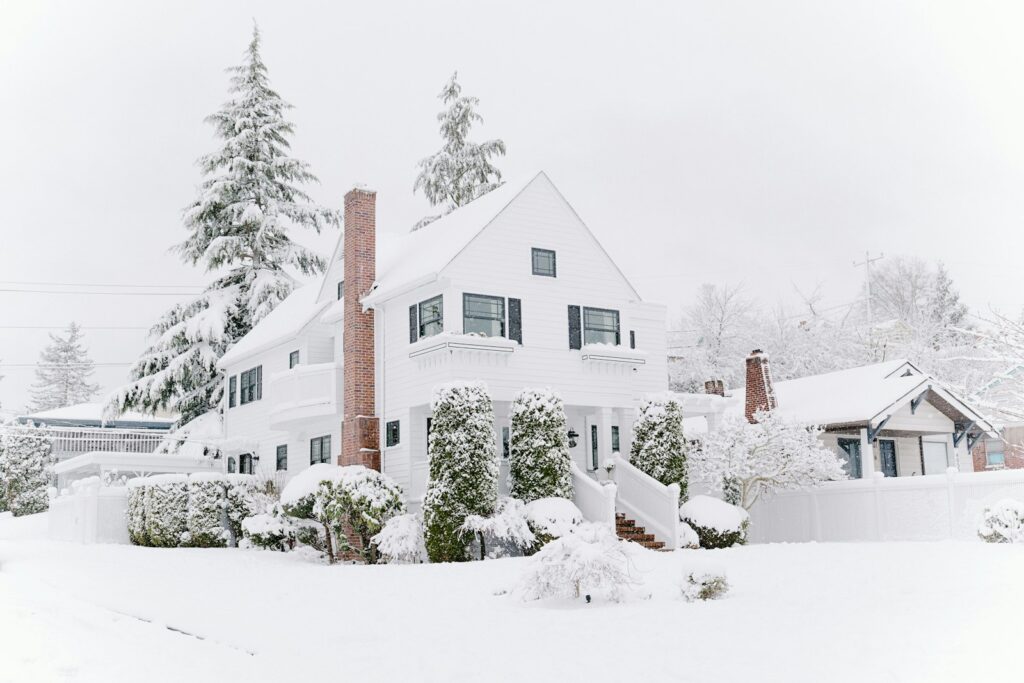
Illustrative photo. Photo by Tracy Adams on Unsplash.
A row of icicles can look like part of a Minnesota winter postcard. A new stain on the ceiling is a different story. If melting snow cannot drain past ice at the roof edge, water can back up and find its way indoors.
It helps to have two plans: one for protecting people and limiting damage today, and another for addressing the building conditions that let the problem develop. Insurance belongs in that conversation, but it is only one part of it.
Understand the problem before choosing a fix
An ice dam is a ridge of ice that prevents meltwater from draining off the roof. Uneven roof temperatures contribute: snow melts on warmer areas and refreezes near colder edges. University of Minnesota Extension identifies heat loss from the house, including air leakage into attic spaces, as an important cause. Its ice-dam guidance explains why air sealing and insulation deserve attention.
That makes repeated ice dams a reason to investigate, not simply schedule the same emergency removal every year. Ask a qualified energy or weatherization professional to assess the source of heat loss and the roof assembly. Bring photographs from previous winters so the conversation starts with the areas that actually caused trouble.
Do not assume a larger attic fan solves the problem. University of Minnesota Extension specifically advises against mechanical attic ventilation as an ice-dam solution in Minnesota. Changes to a home’s ventilation and air sealing should be coordinated with appropriate professionals.
Separate damage coverage from prevention costs
Some homeowners policies cover resulting water damage from ice dams, subject to their terms. State Farm lists that damage among examples of typically covered water losses while also emphasizing that the policy controls. See its home and property claims guidance.
That does not establish that every expense is insured. Ask separately about interior repairs, damaged belongings, emergency mitigation, ice removal, and improvements intended to prevent another dam. These are different costs, and the insurer may treat them differently.
Before winter, request an explanation of the applicable deductible and any limitations involving repeated leakage, maintenance, or mold. If you have experienced earlier damage, disclose it accurately and ask what information the insurer needs. An old stain and a new leak should not be combined into one undocumented repair estimate.
It is also worth asking how the claim would be handled if damage appears in several rooms at different times. Keep a dated record of observations instead of trying to remember the sequence after everything has dried.
Respond safely when water appears
Stay away from icy roof surfaces, falling ice, and hazardous electrical areas. Roof work in winter can injure people and damage roofing; University of Minnesota Extension recommends professional help. An insurance question should never be the reason you climb onto a dangerous roof.
Photograph the affected area from a safe position, move undamaged belongings only if safe, and contact the insurer promptly. Ask what emergency work should proceed and what documentation to keep. Minnesota Commerce advises homeowners to take reasonable steps to prevent additional damage, keep receipts, and follow the insurer’s instructions about the claim and repairs. Commerce’s residential-claim guidance is a useful reference.
Keep the mitigation conversation separate from approval for permanent restoration. Ask the restoration professional to explain moisture readings and the drying plan before walls or ceilings are closed again. Request itemized invoices that distinguish emergency work from reconstruction and preventive upgrades.
If you need temporary housing, ask the insurer whether the circumstances trigger loss-of-use coverage and what expenses require approval. Save receipts, but do not assume that keeping a receipt guarantees reimbursement.
Your before-winter and after-leak checklist
- Review any history of ice dams, roof leaks, or stained ceilings with a qualified professional.
- Ask about air leakage, insulation, and safe long-term corrections.
- Find the policy sections addressing water damage, duties after loss, and deductibles.
- Save insurer, mitigation, and qualified roof-service contacts before snow arrives.
- After a leak, document dates, affected rooms, photographs, and professional findings.
- Ask the insurer about mitigation authorization and preserve itemized receipts.
- Confirm the damaged area is ready for permanent repair and address the underlying cause.
For a manageable first step, take out last winter’s photographs and your current declarations page. If you would like help forming the insurance questions, contact David Olson at Intrinsic Insurance. You can focus the conversation on your home’s history rather than a generic promise that winter damage is covered.
This is general insurance education, not roofing, engineering, or safety certification. Coverage depends on your policy and the circumstances; use qualified professionals for inspection and removal.
Sources
- University of Minnesota Extension: Dealing with and preventing ice dams — accessed 2026-10-25
- State Farm: Home and property claims — accessed 2026-10-25
- Minnesota Commerce: Residential insurance claims — accessed 2026-10-25




 One of the things that sets Intrinsic Insurance apart is our commitment to our customers. We believe that insurance should be easy to understand and easy to use, and we strive to make the process as smooth and stress-free as possible. Our agents take the time to get to know our customers and their unique needs, so we can provide personalized coverage that meets their specific requirements. Over time, we’ve earned a reputation for exceptional customer service and expertise in the insurance industry, real estate, and construction. We’re proud to have a team of experienced agents who are dedicated to providing our customers with the highest level of service and support. Our agents are knowledgeable, friendly, and always available to answer questions or help our customers file a claim.