
Face Minnesota Winter With an Auto Insurance Plan.
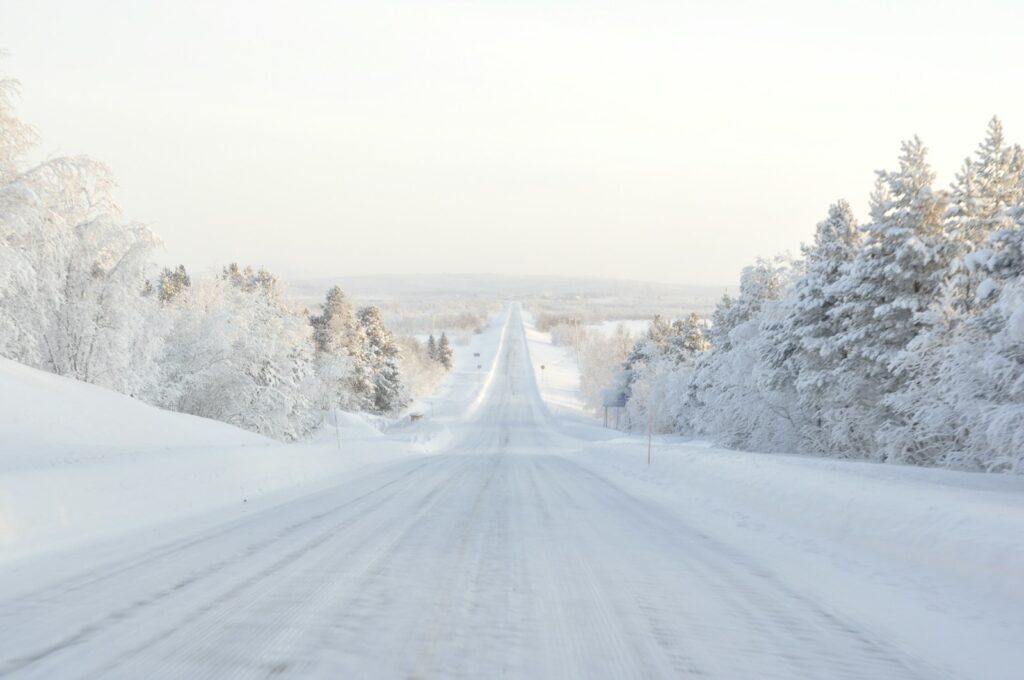
Illustrative photo. Photo by Kristaps Grundsteins on Unsplash.
The forecast changes overnight, and the morning commute suddenly looks different. Before you decide whether to leave, it helps to have two plans already in place: one for avoiding unnecessary risk and one for handling a breakdown or crash. Insurance belongs in the second plan. It cannot replace the first.
A short review before winter is easier than sorting through unfamiliar coverage names from the shoulder of a highway. Focus on the questions that affect your actual routine, whether that means a daily Twin Cities commute or longer trips between Minnesota communities.
Make the travel decision before the trip
Check current conditions and be willing to delay a discretionary drive. MnDOT’s winter-driving guidance recommends slowing for conditions, avoiding distractions, leaving room for snowplows, using headlights, and turning off cruise control. Its advice to stay at least ten car lengths behind a plow is a useful reminder that a clearing road is still an active work area.
Build time into the plan for clearing snow and ice from the vehicle. Keep a charged phone and appropriate winter supplies available. Review tires, battery condition, wipers, lights, and other maintenance needs with a qualified service provider rather than waiting for the first major storm to reveal a problem.
For a family or shared vehicle, make sure everyone knows where the emergency supplies are stored. Agree on how to communicate a delay. A simple message before departure is more useful than a driver trying to explain changing plans while moving.
Know which insurance question fits the damage
A vehicle sliding into another car or a fixed object generally raises a collision coverage question, even when ice contributed to the crash. Hail, falling branches, and other covered noncollision events may fall under comprehensive. The Minnesota Department of Commerce’s auto-claim guidance identifies several forms of storm damage handled through comprehensive coverage.
Weather alone does not determine the answer. The cause and sequence of damage, the coverage purchased, and policy terms all matter. For example, a breakdown and a crash following a loss of traction are not interchangeable events simply because both happened on a cold day.
Review towing or roadside assistance separately. Ask about towing-distance limits, reimbursement procedures, service arrangements, and any restrictions. Also check rental reimbursement if you depend on one vehicle. That coverage concerns the expense of substitute transportation after a qualifying loss; it is different from insurance for damage to a car you rent.
Write down the deductibles that apply to your vehicles. If two family cars were damaged in the same storm, ask how deductibles would be handled instead of assuming a single household deductible applies.
Prepare for the first hours after a loss
People come first. If someone is injured or there is immediate danger, contact emergency services. Follow instructions from responders and do not stand in traffic to photograph damage. Documentation can wait until it is safe.
When conditions allow, record the location, time, vehicles involved, and contact details. Photograph damage and the surrounding scene without putting yourself at risk. Notify the insurer promptly, explain what happened accurately, and ask how to prevent additional damage without interfering with the claim inspection.
Keep receipts for towing, storage, and other expenses, but do not assume every receipt will be reimbursed. Ask about authorization and limits before allowing avoidable charges to accumulate. If the vehicle is not drivable, clarify where it should be taken and who is responsible for arranging transportation.
MnDOT’s 511 road-condition descriptions explain that conditions can include visibility problems even where pavement is reported as normal. Treat a road report as one input alongside weather information and what you encounter, not as a promise that travel is safe.
Your prewinter review checklist
- Save insurer claim contacts and roadside-assistance instructions on your phone.
- Review collision and comprehensive deductibles for each vehicle.
- Check towing, storage, rental reimbursement, and any service limits.
- Have the vehicle’s winter maintenance needs assessed before severe weather arrives.
- Store winter supplies where they remain accessible if the vehicle becomes disabled.
- Agree on a household plan for delaying travel and arranging a safe ride.
If you want to resolve the insurance questions before the next storm, David Olson at Intrinsic Insurance is a place to start. Bring your current policy and explain what a few days without your vehicle would mean for your household.
This is general preparation guidance. Coverage depends on your policy, exclusions, limits, deductibles, and loss circumstances. Follow current official weather, road-closure, and emergency instructions.
Sources
- MnDOT: Winter driving tips — accessed 2026-10-25
- Minnesota Commerce: Filing an auto claim — accessed 2026-10-25
- Minnesota 511: Winter road conditions — accessed 2026-10-25




 One of the things that sets Intrinsic Insurance apart is our commitment to our customers. We believe that insurance should be easy to understand and easy to use, and we strive to make the process as smooth and stress-free as possible. Our agents take the time to get to know our customers and their unique needs, so we can provide personalized coverage that meets their specific requirements. Over time, we’ve earned a reputation for exceptional customer service and expertise in the insurance industry, real estate, and construction. We’re proud to have a team of experienced agents who are dedicated to providing our customers with the highest level of service and support. Our agents are knowledgeable, friendly, and always available to answer questions or help our customers file a claim.